How can you maintain, replace or install different types of commercial roofs in Chicagoland? Here we share some useful information.
Asphalt Shingle Roofing
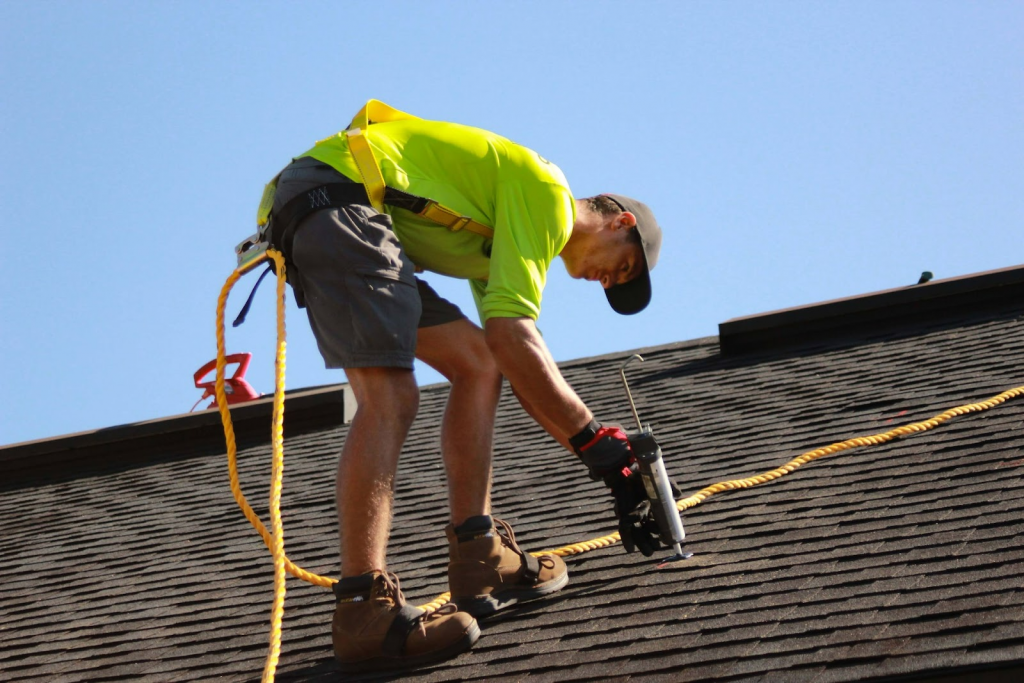
Many properties and commercial buildings that have sloped roofs rely on asphalt shingles for weather and weather protection. This is the least expensive roof option and has many styles, varieties, and shingle colors available.
Asphalt shingles are the most common type of residential roofing in the US now, because one of its main components is petroleum, when crude oil prices go up, the price of asphalt shingles goes up too.
According to estimates from HomeAdvisor in the United States, the average homeowner spends to install a new roof is $8,600. They also mention that costs to reroof a home range from $5,600 to $11,800. And this year we see that it is very likely that those numbers will increase significantly.
Built-Up Roofing
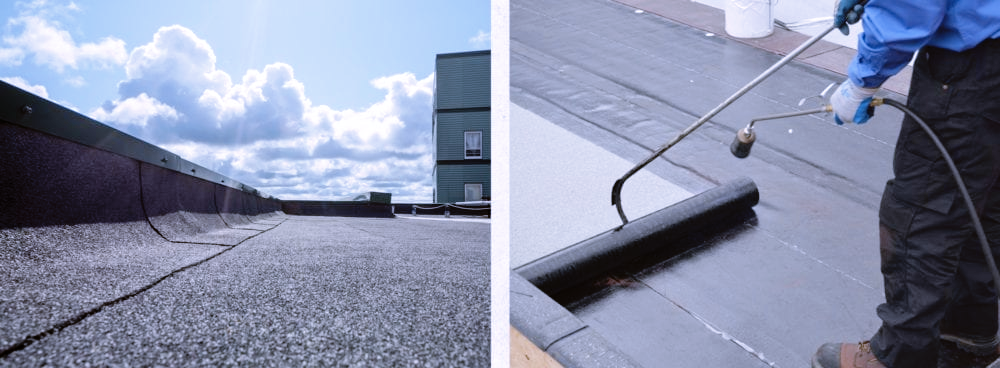
This roof system is applied in layers and is typically covered with gravel. A built-up roof system is a popular option for buildings with flat or low-slope roofs.
What makes built-up roof systems so popular? They are known for providing excellent protection as they are made up of multiple layers of ply sheets and asphalt. These layers are then topped off with a cap sheet or asphalt layer and granules. The multiple layers provide weather resistance and excellent protection for the building.
Built-up roofing owes its popularity to a number of benefits it provides, including:
- Time-tested technology: More than 100 years of history have proven it works.
- Reflective cap sheets available: Something that helps with lower internal temperatures are the white-coated cap sheets that are available and help reflect the sun’s rays in a more effective way.
- Redundancy: Built-up roofs provide many layers of protection, so if the top layer is damaged, the additional layers below will continue to protect the building from water intrusion.
- Guarantees/Warranties: Built-up roof systems can count on guarantees or warranties of up to 20 years, depending on the materials used and the system installed.
EPDM (Ethylene Propylene Diene Monomer)

Often called rubber roofing, EPDM is an extremely durable membrane used for roofing made of synthetic rubber, widely used on low-slope buildings in Chicagoland and Illinois.
EPDM is available in black and white colors and can be found in a wide variety of widths, ranging from 7.5′ to 50′, and also in different thicknesses: 45 and 60 mils.
Installation: Can be fully adhered, mechanically attached, or ballasted, with roofing system seams sealed with liquid adhesives or specially formulated tape.
Metal Roofing

Metal roofs can reduce heating on hot sunny days as well as reduce maintenance costs. They offer a variety of benefits over traditional plain roofs:
First, they are much more durable. Metal roofs can last up to 50 or 60 years, compared to a shingle roof that will need to be replaced in about half that time. Moreover, metal panels are recyclable, meaning there is less wasted material when it’s time to replace them. Metal roofs are more sustainable in other ways, too.
Energy-efficient construction materials become much more relevant every day. Depending on the region and the habits of the home’s residents, a metal roof can reduce energy bills between 20% and 40%.
Another benefit of metal roofing is that it can reduce a building’s air temperature by an average of 12 degrees, significantly reducing cooling costs.
SPF (Spray Polyurethane Foam)
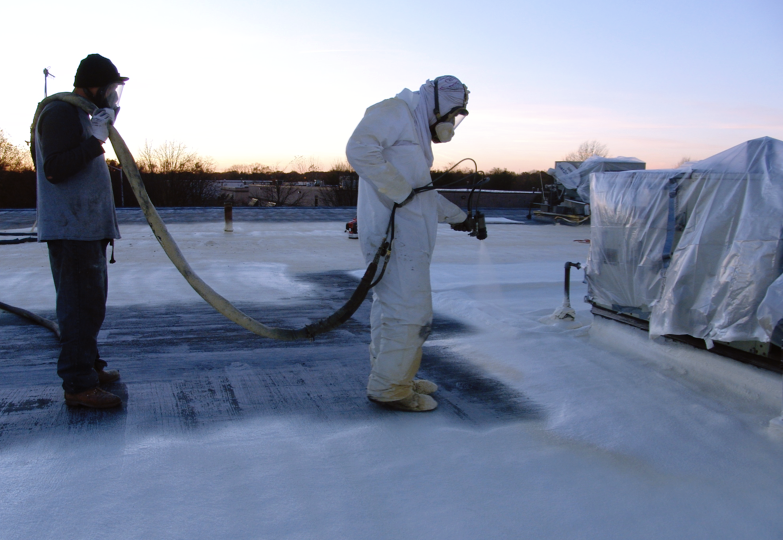
Popular for flat and low-sloped roofs, an SPF roof is applied with spray equipment to create a seamless roof cover.
Spray foam usage has increased among builders and roofing contractors. It is a high-performance building material.
Its positive benefits include, among other aspects, thermal insulation, versatility, and resistance to inclement weather, cycling, and storms.
DURABILITY
Additionally, they have a long lifespan and durability. It is highly durable. They have a useful life of up to 30 years with regular care and maintenance.
The adhesion-strengthening capabilities of spray foam are key, especially in severe weather locations where storms, wind, hail, and other conditions that commonly cause extensive damage to structures are frequent.
It provides up to three times more resistance to wind uplift for wood roof sheathing panels compared to a conventionally attached roof.
A roof’s primary purpose is to protect the structure underneath it. As a roofing material, closed-cell SPF acts as a protective roofing mechanism and a thermal insulator.
TPO (Thermoplastic Polyolefin)
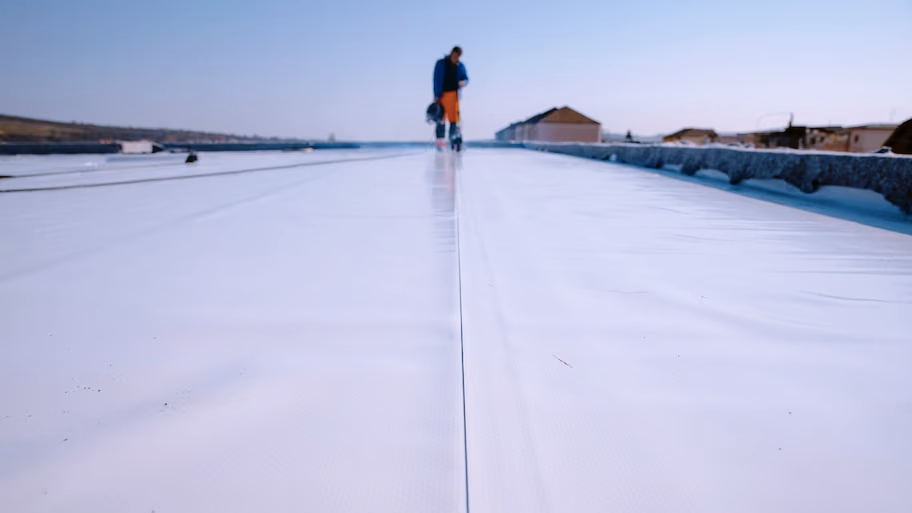
This unique membrane system is installed in large rolls and attached mechanically or by fusing the seams using heat.
Each of these roofing styles comes with warranties and offers a wide range of options for builders and homeowners when making decisions regarding the installation or replacement of their roofs.
Knowing these options helps to have a better understanding and comprehension of the importance of the roof in construction and of course, also the cost and maintenance that it requires in the long term.
We hope this information is helpful to you, remember that you can always contact us to request an inspection of your particular case